
Architecture of Thought™
ARTWORK / MOVE I
WHO PRESSED?
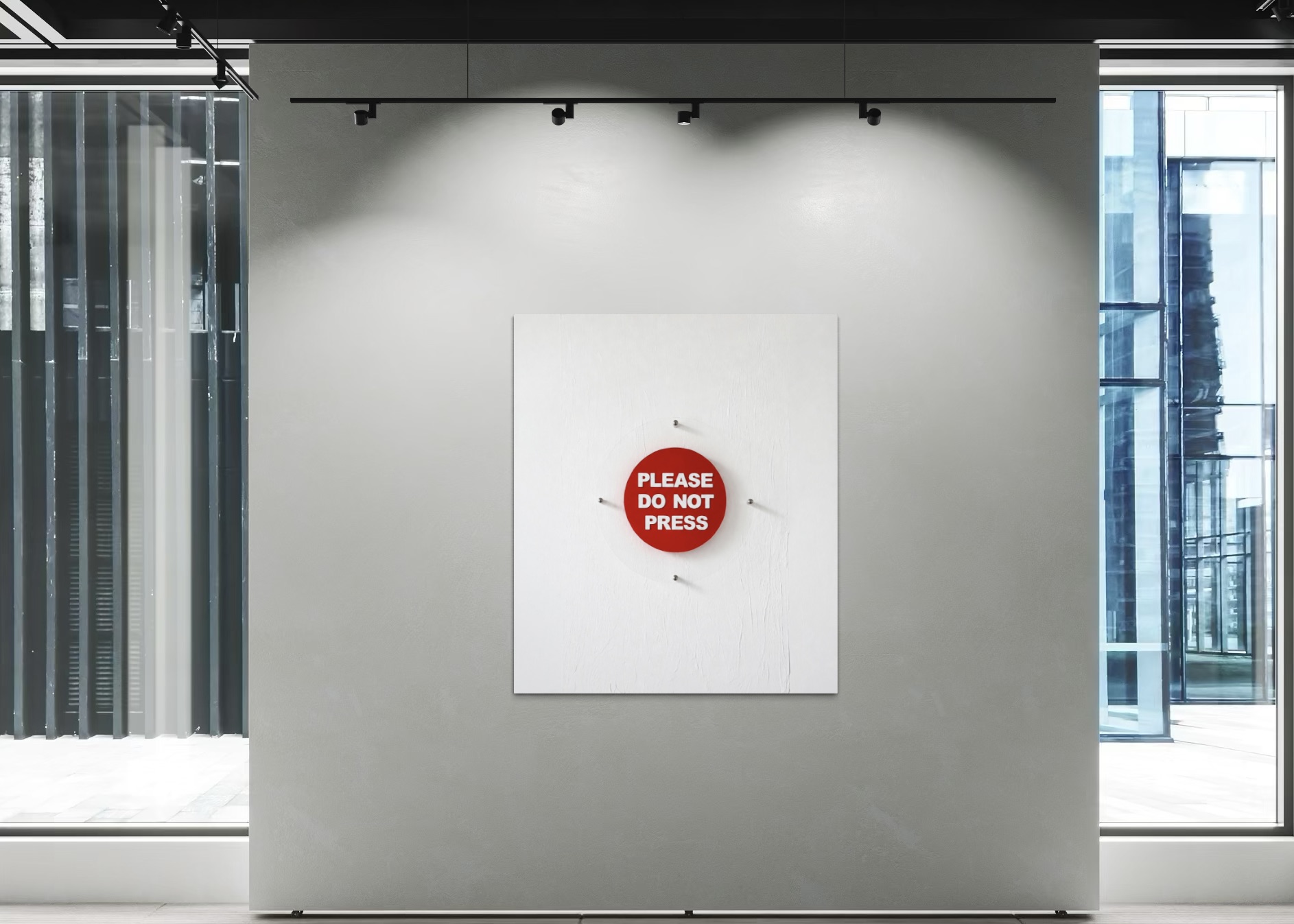
Where is the red button? The instruction was clear. Nobody saw a thing. And now? WHO PRESSED?

Nobody saw a thing.
ARTWORK
WHO PRESSED?
Where is the red button? The instruction was clear. Nobody saw a thing. And now? WHO PRESSED?
CASE 01 — PLEASE DO NOT PRESS.
MOVE II of III
2026
Medium: Acrylic, photoluminescent ink, collage, 3D mixed media, hand-textured surface (INK3D Rebel Technique)
Dimensions:
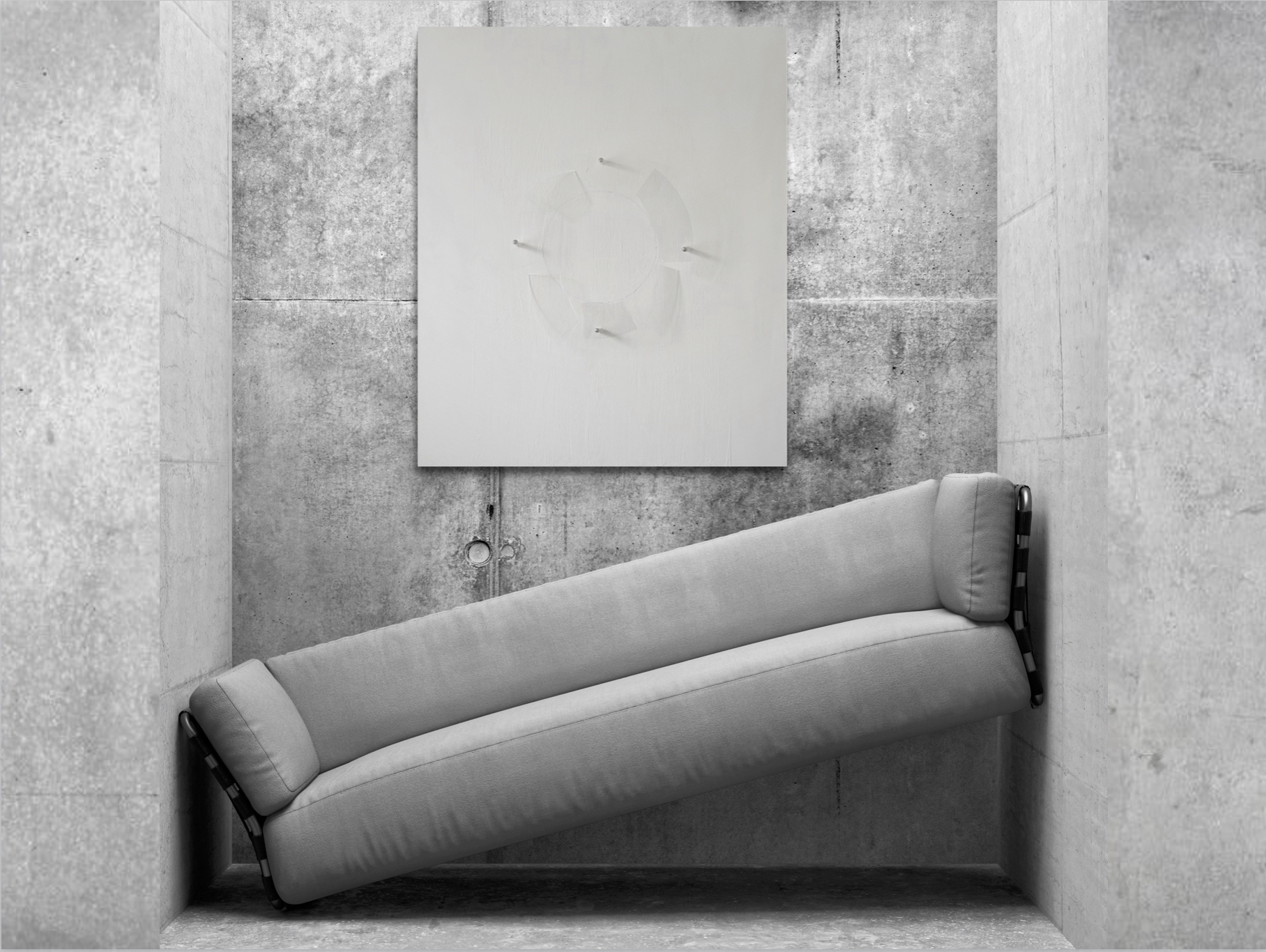
Canvas size: 120 × 100 × 4 cm (H × W × D) / 47.2 × 39.4 × 1.6 in
Artwork size: 120 × 100 × 9 cm (H × W × D) / 47.2 × 39.4 × 3.5 in
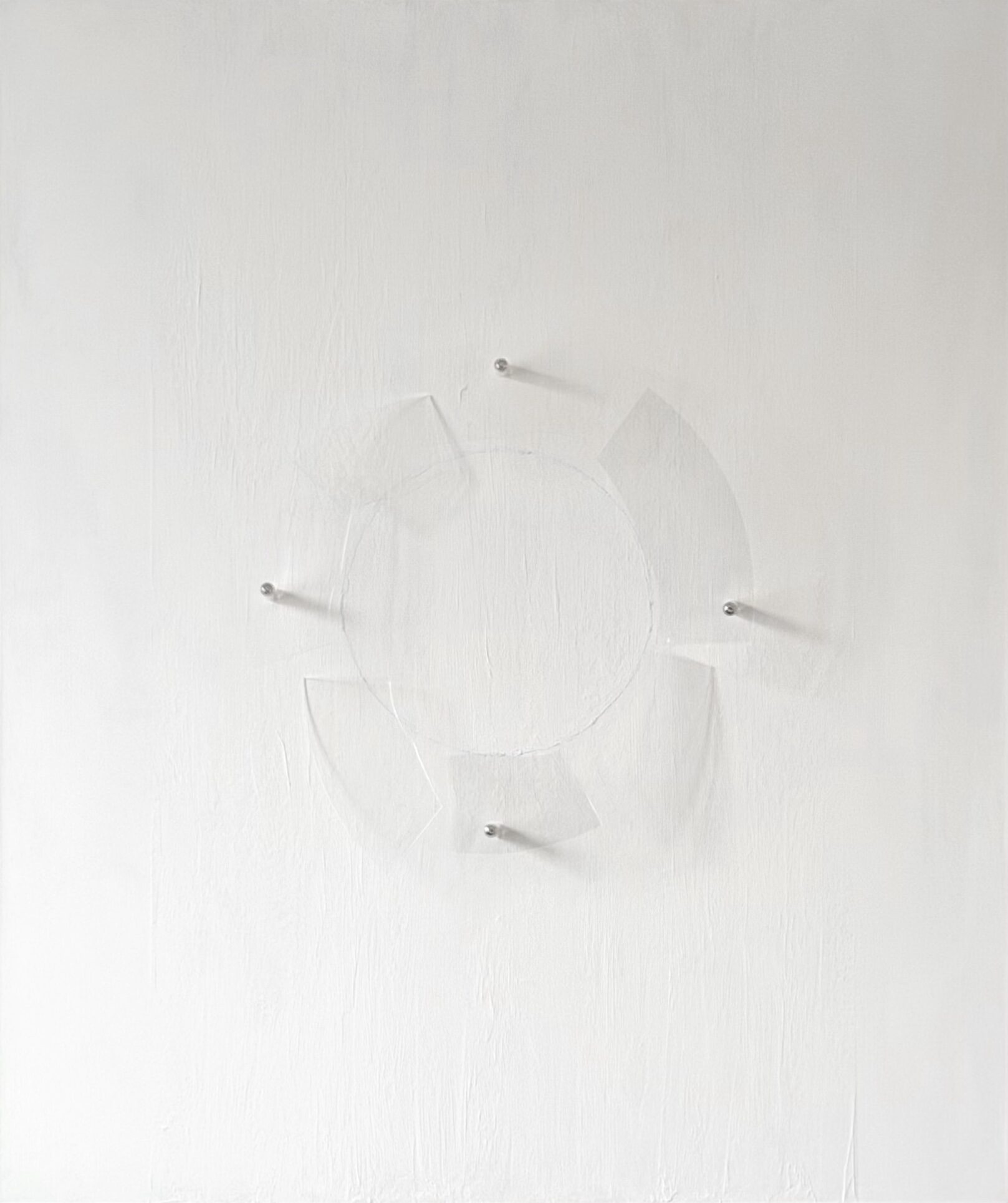
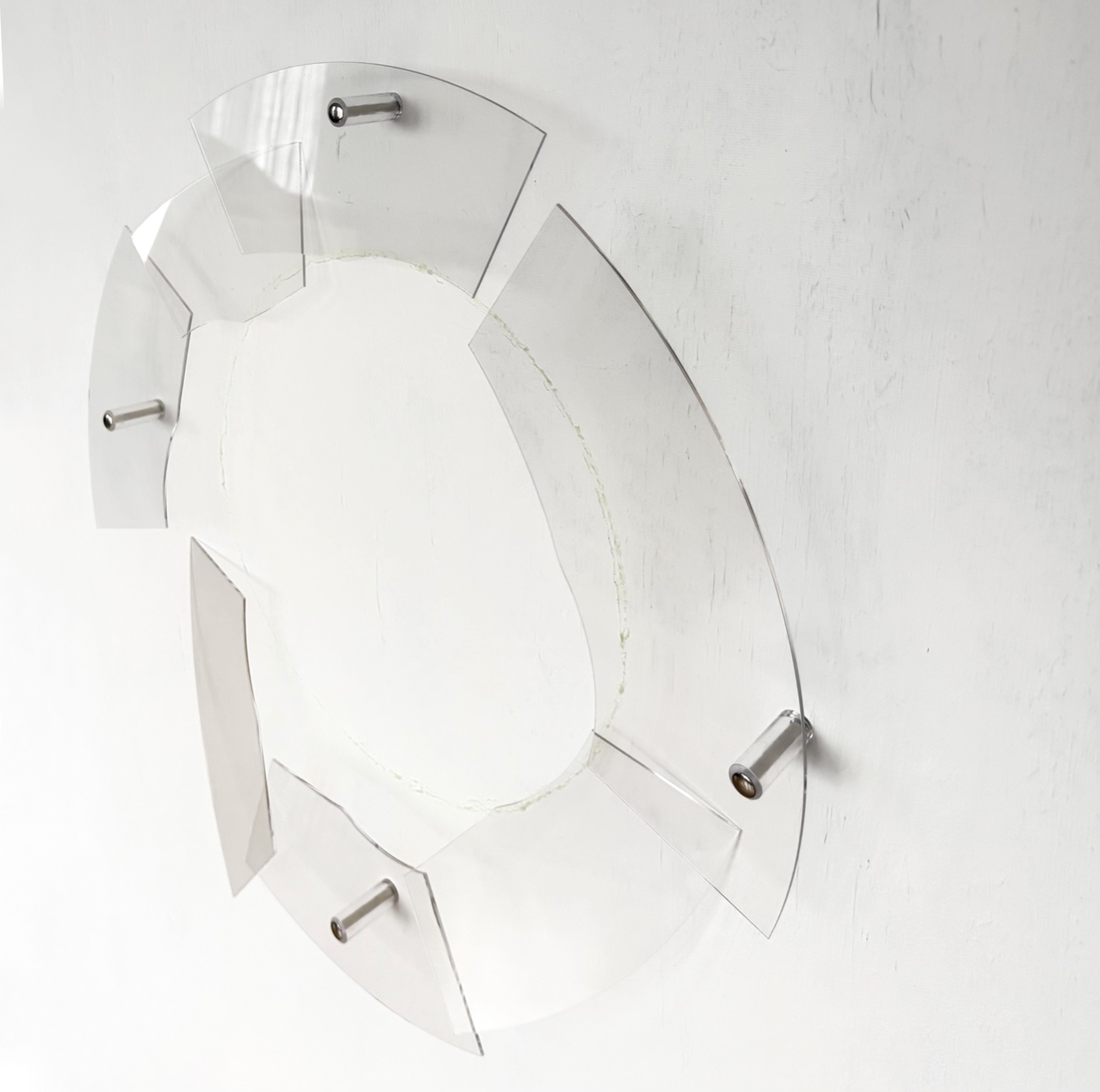
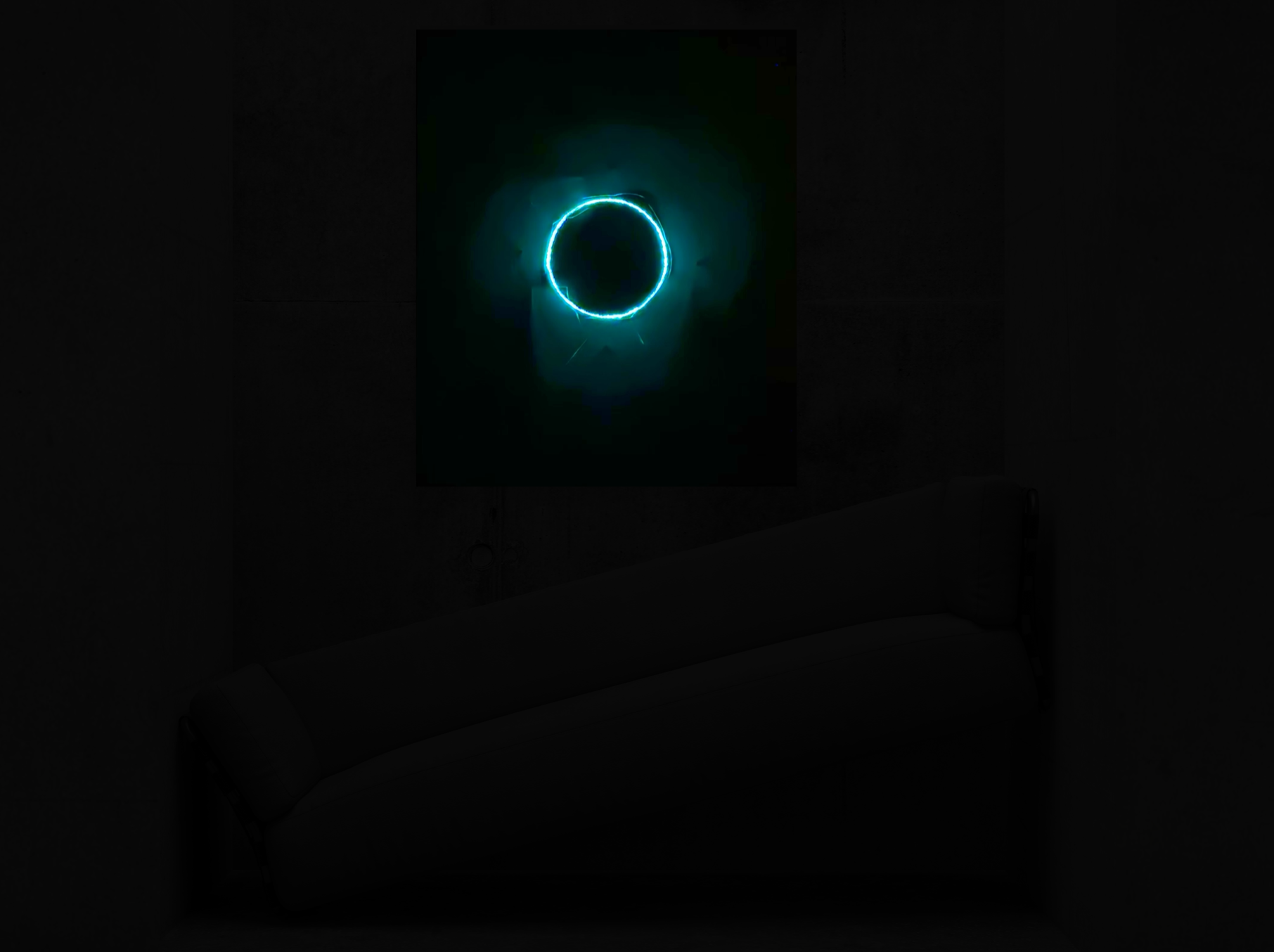
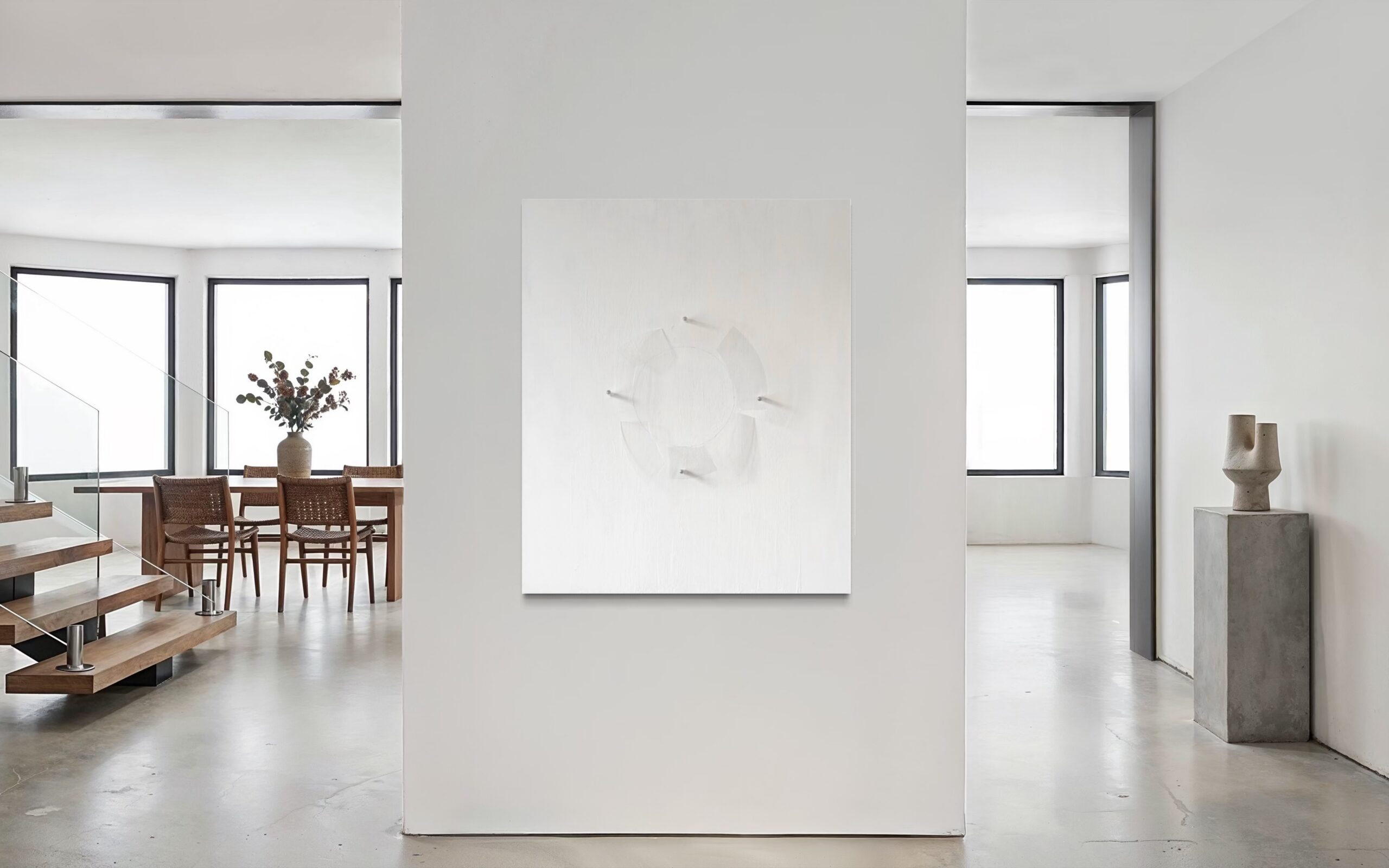
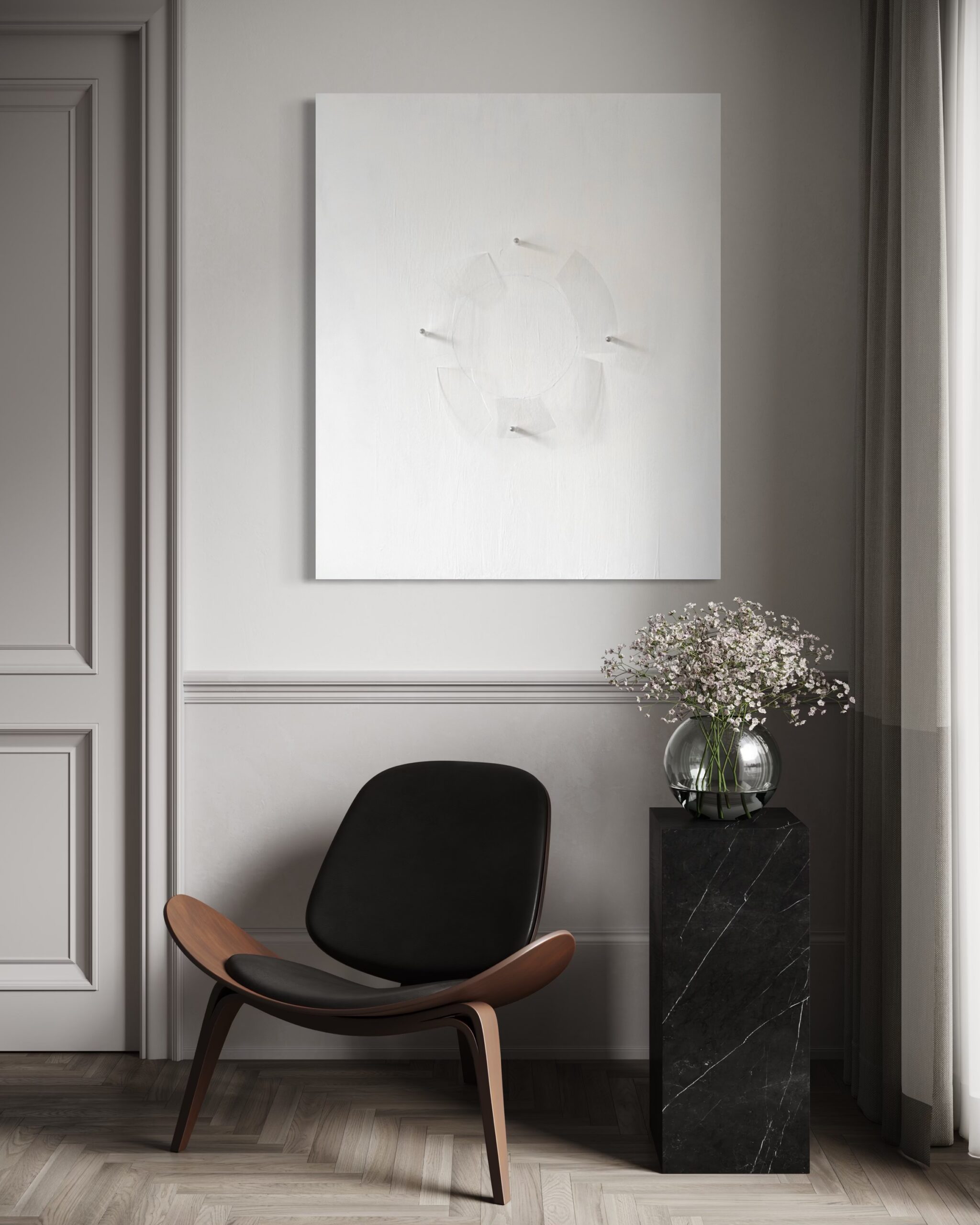
Special features: Original, unique artwork. Dual-spectrum composition with a visible transformation between day and night. A transparent, fragmented protective structure forms the central spatial element of the work. The red button is no longer present. Photoluminescent elements reveal a circular trace in darkness and alter the hierarchy of perceptible information.
WHO PRESSED? presents a spatial situation in which something is missing. The visible structure remains. The object to which it originally referred is no longer there.
DESCRIPTION
WHO PRESSED? begins with a simple question: Where is the red button?
A transparent protective structure remains visible, yet its original arrangement has changed. The structure appears fragmented. The button is missing. In its place, an empty space suddenly demands attention.
By day, the material surface, the transparent elements and the visible absence define the composition. By night, perception changes once again. A photoluminescent circular trace emerges. It marks a place where the button is no longer present.
The question WHO PRESSED? hangs in the air. It suggests an event for which someone might be responsible. Yet the work reveals only a changed situation.
WHO PRESSED? asks a question. It provides no answer.
COLLECTOR VERSION
WHO PRESSED? is an autonomous unique artwork and at the same time MOVE II within CASE 01 — PLEASE DO NOT PRESS.
The work occupies the central position within the CASE. A transparent, fragmented protective structure, the absence of the red button and a photoluminescent circular trace form a precise visual and spatial constellation. The dual-spectrum composition changes the hierarchy of perceptible elements between day and night.
As an individual artwork, WHO PRESSED? examines the relationship between visible absence and the expectation that an empty space can create. The material structure remains perceptible, while the object originally associated with it is missing. The question in the title opens a space for interpretation without establishing a particular explanation.
Within the CASE, WHO PRESSED? occupies the second position in a larger movement of thought. The explicit instruction of the first MOVE is followed by a changed situation. What was previously visible is now absent. The connection between these two states remains open and becomes part of the complete CASE architecture only through the interplay of all three MOVES.
Each MOVE can be collected individually and is registered in the K-NY Archive as an autonomous original.
Each MOVE is an autonomous artwork and at the same time part of a CASE.
The CASE is the journey.
The MOVE is the artwork.
The solution is left to the viewer until they choose to see it.
Signature: Logo and signature on the side; signed on the reverse. Certificate of Authenticity included.
Availability: Original.
CASE status: CASE 01 — PLEASE DO NOT PRESS. · MOVE II of III.
Price on request.
WITHIN THE SYSTEM
MOVE II of III CASE 01 — PLEASE DO NOT PRESS.
This work is an autonomous position within a three-part CASE. It stands independently — while remaining structurally connected to MOVE I and MOVE III. Together, the three MOVES form the complete architecture of CASE 01.
Placement inquiries welcome from institutions and private collectors.
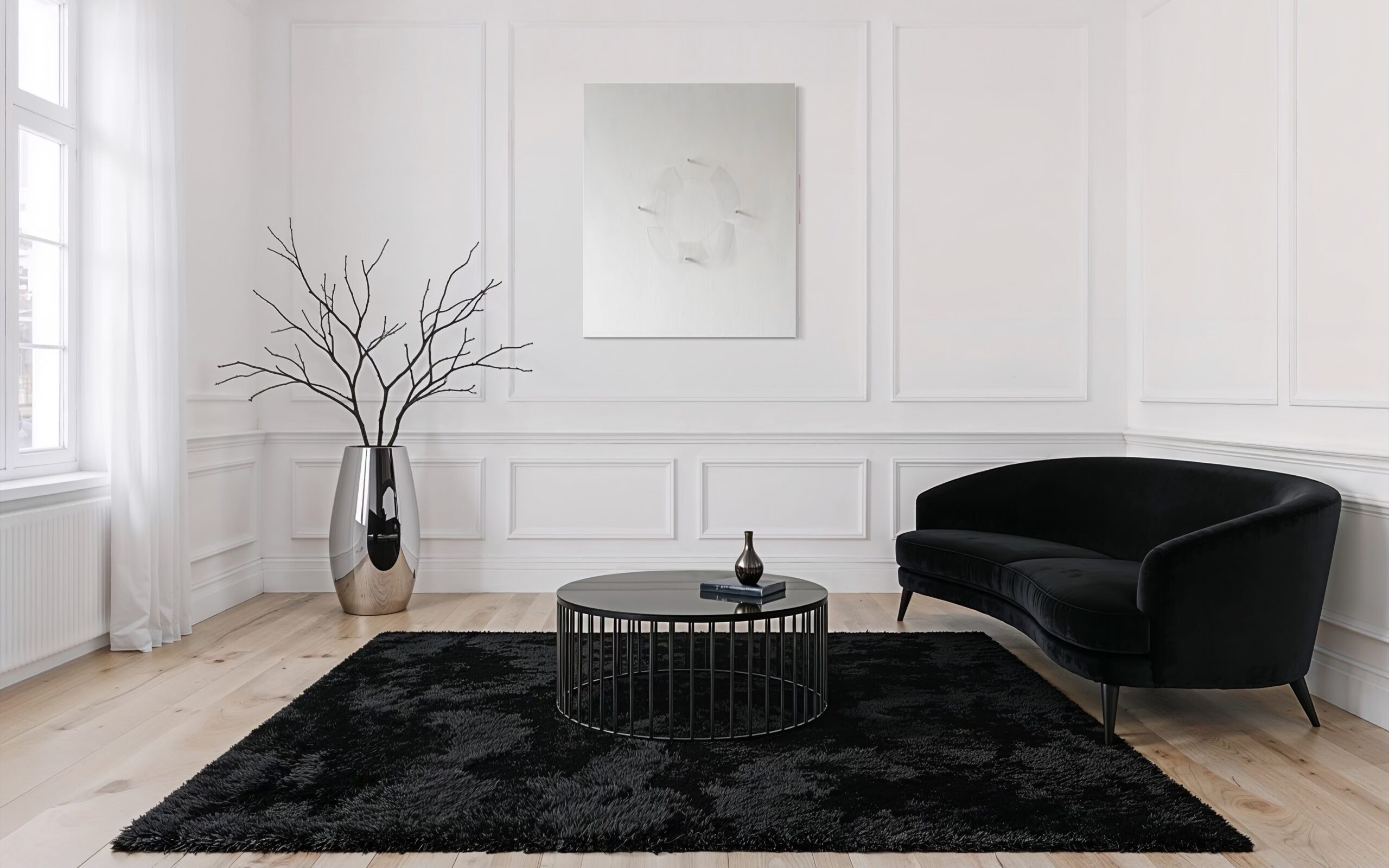
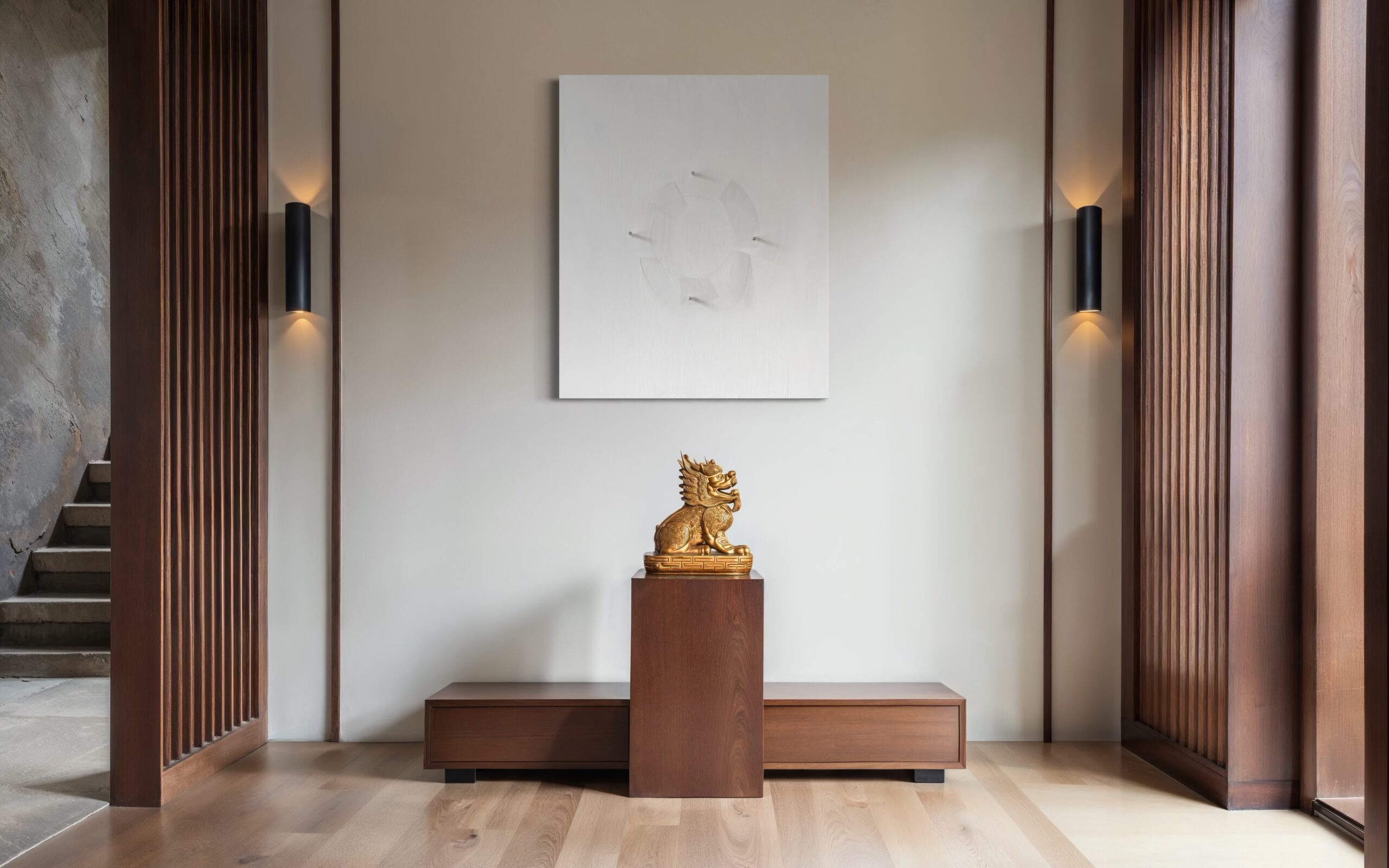
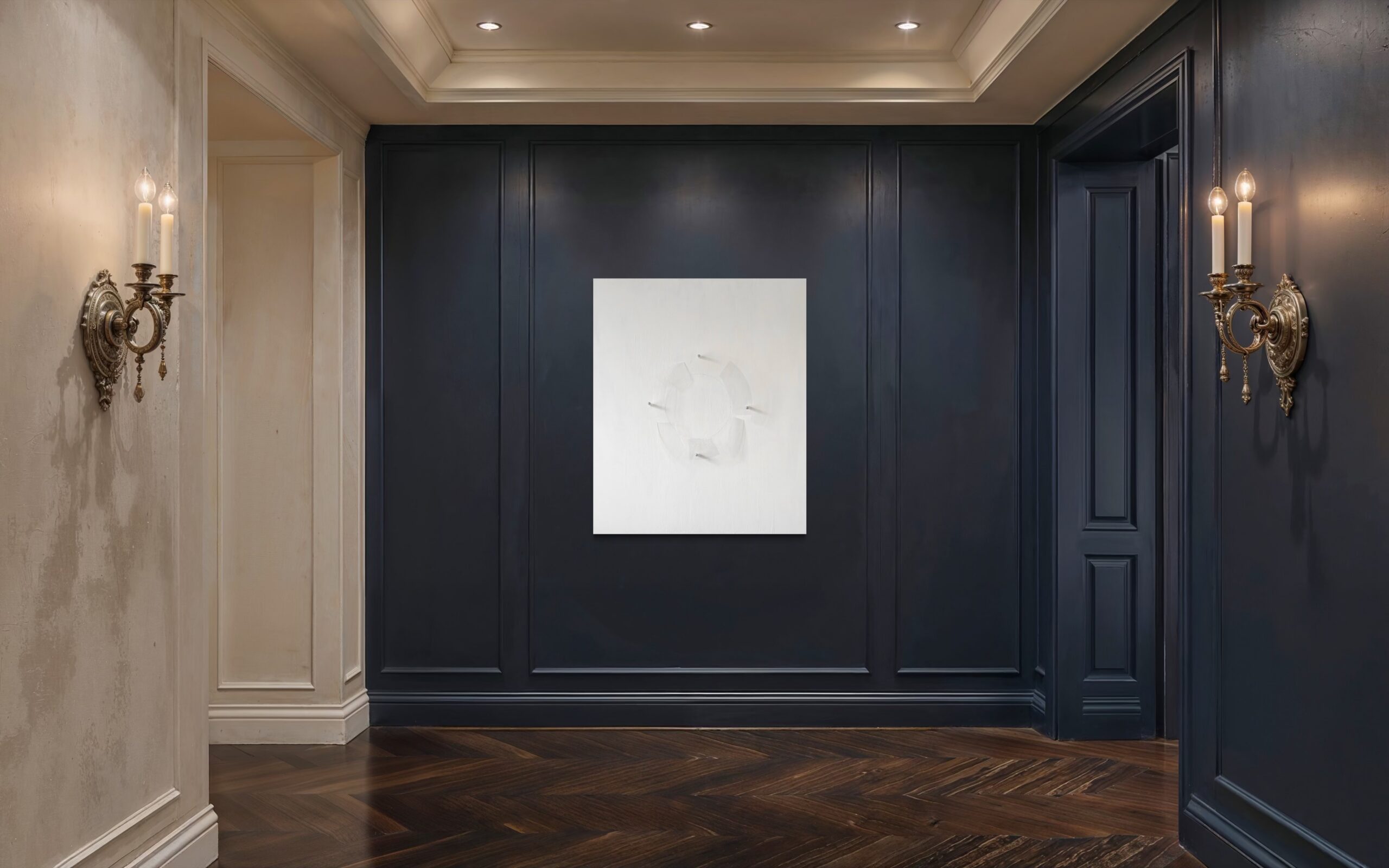
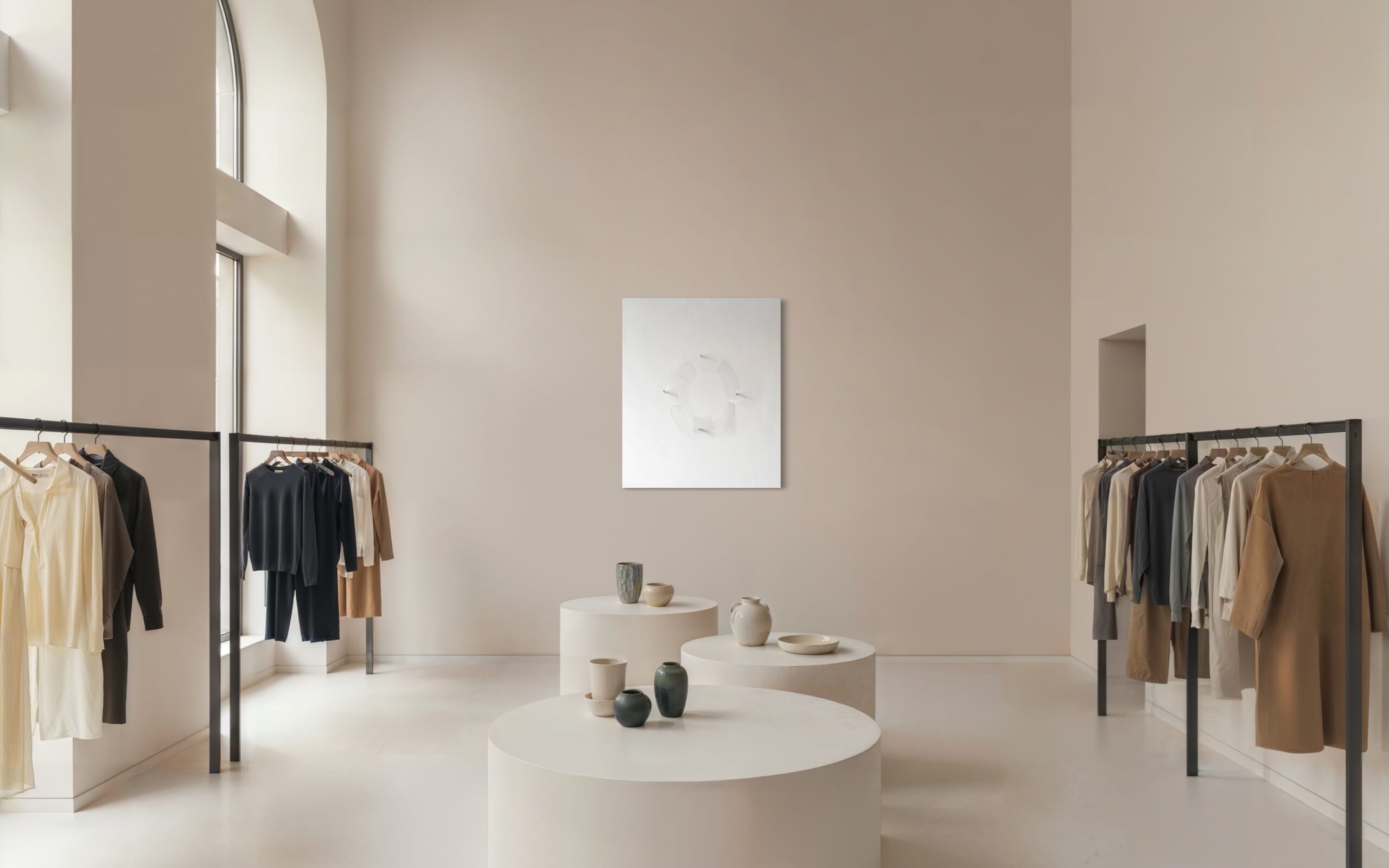
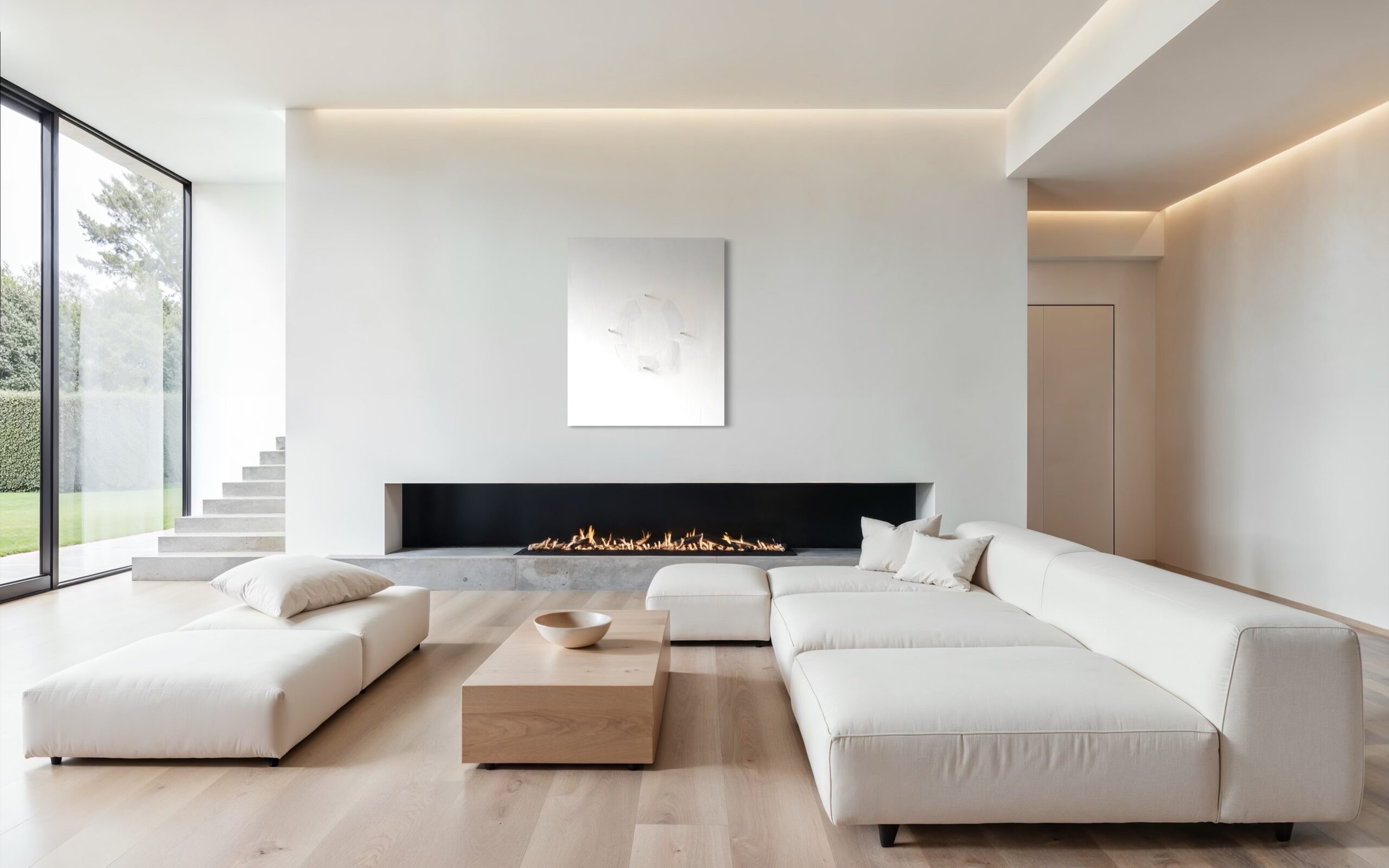
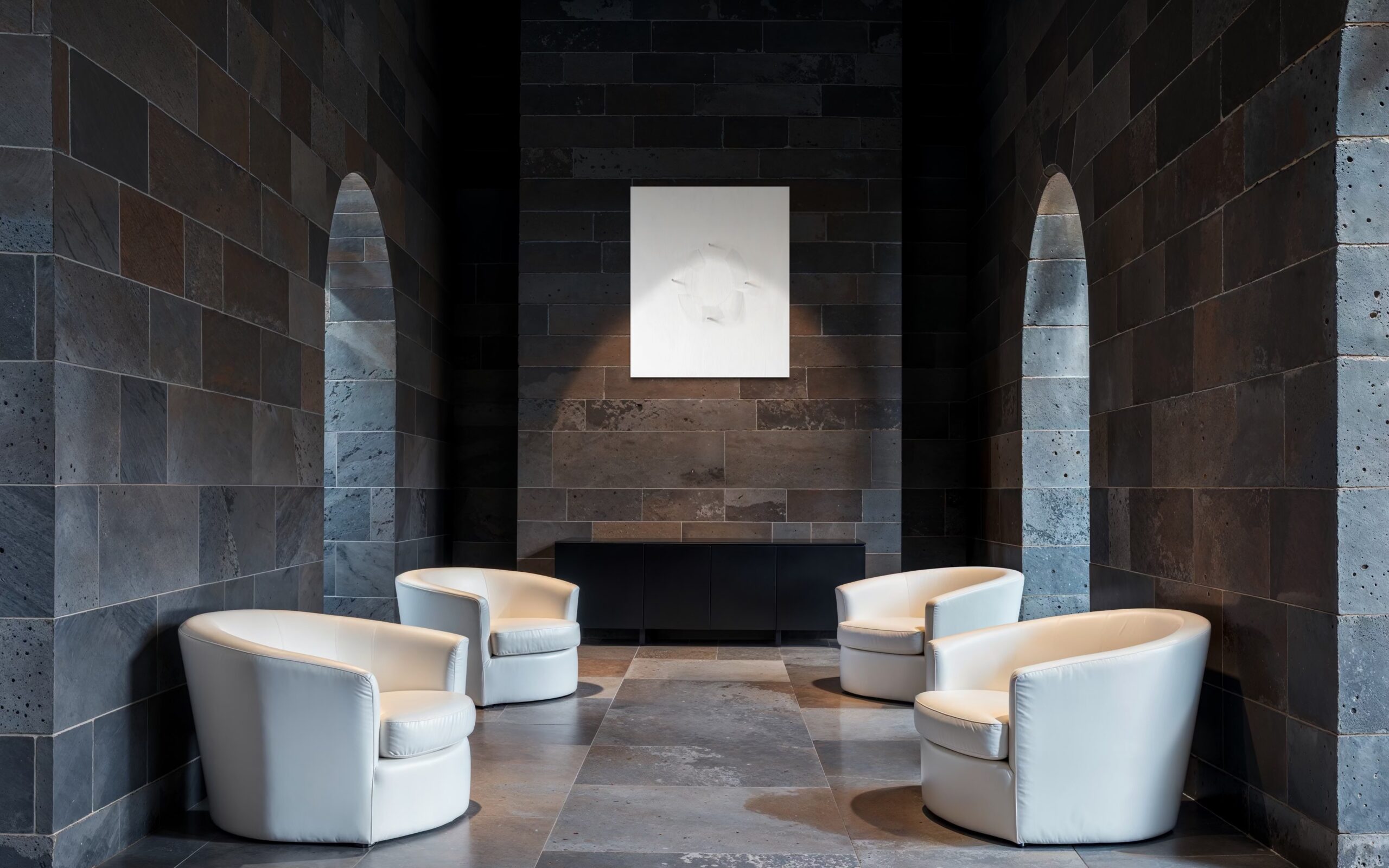
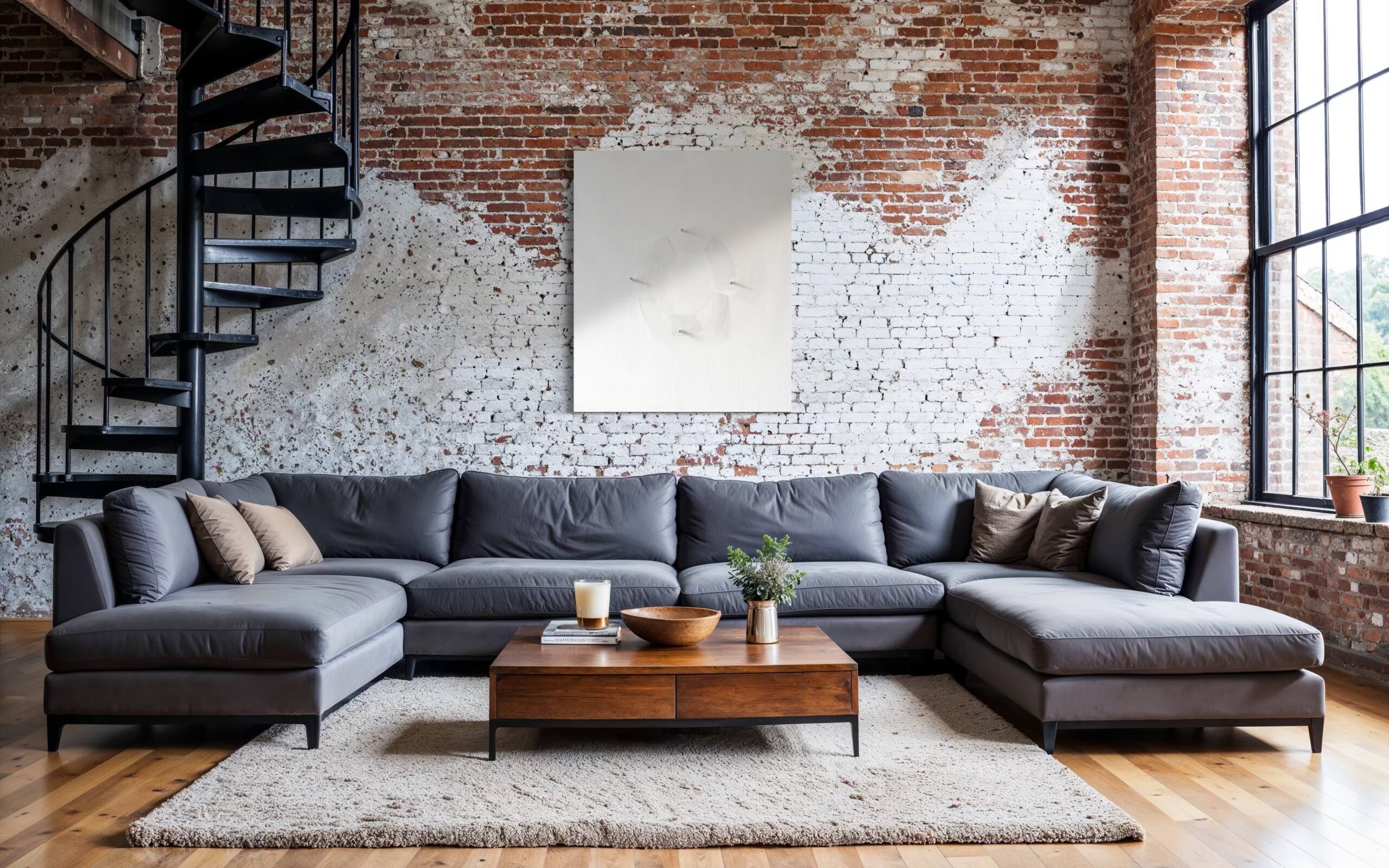
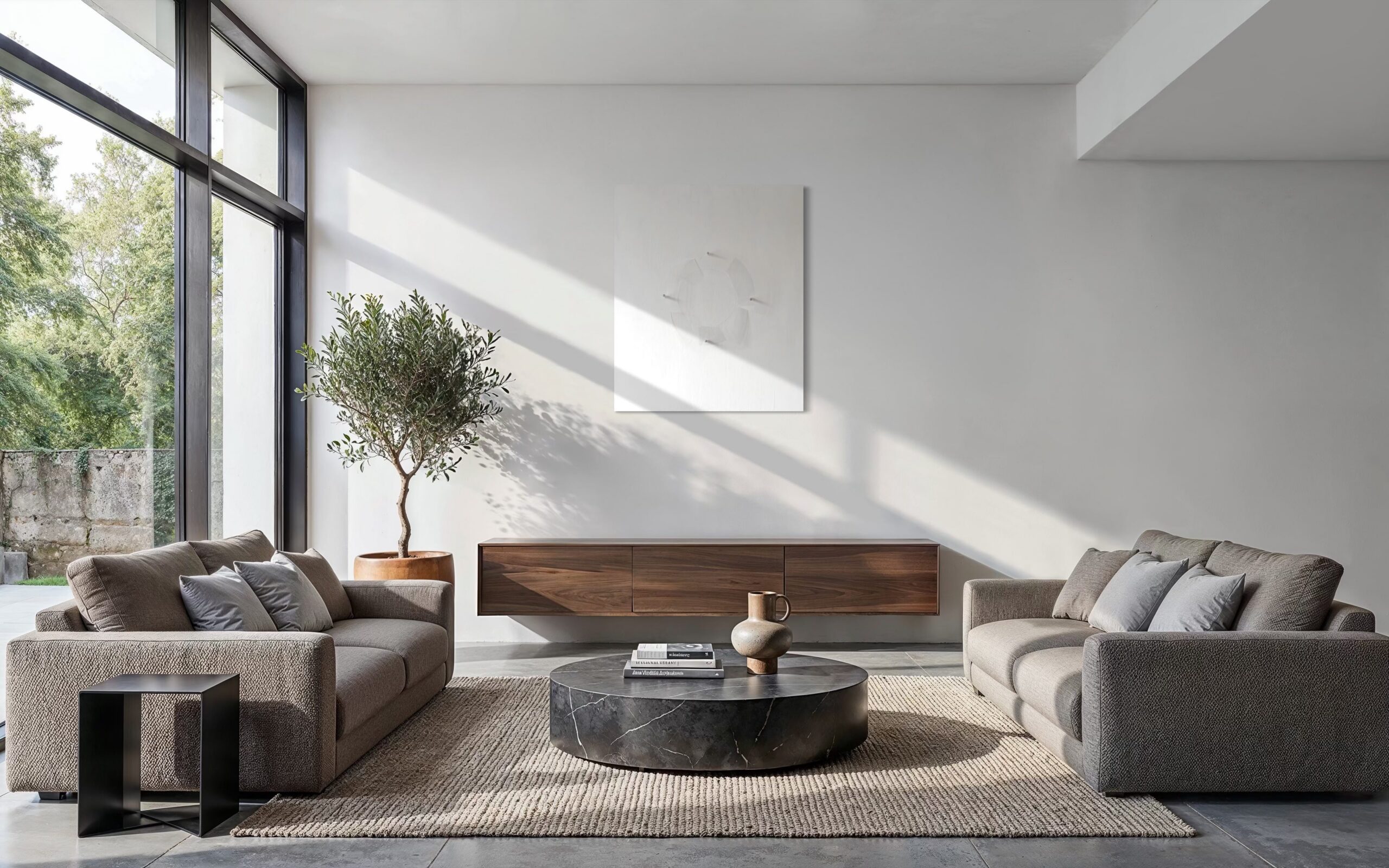
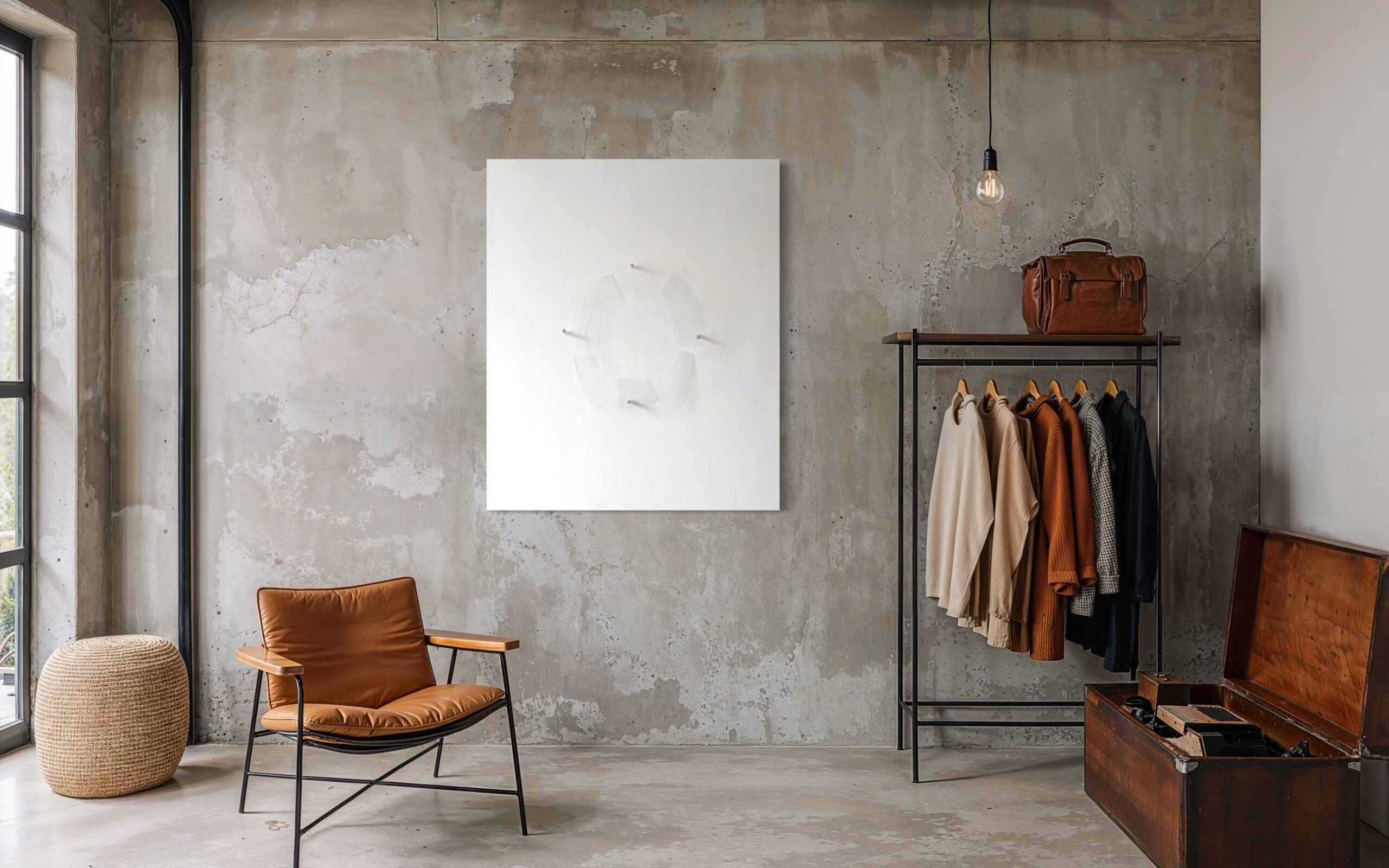
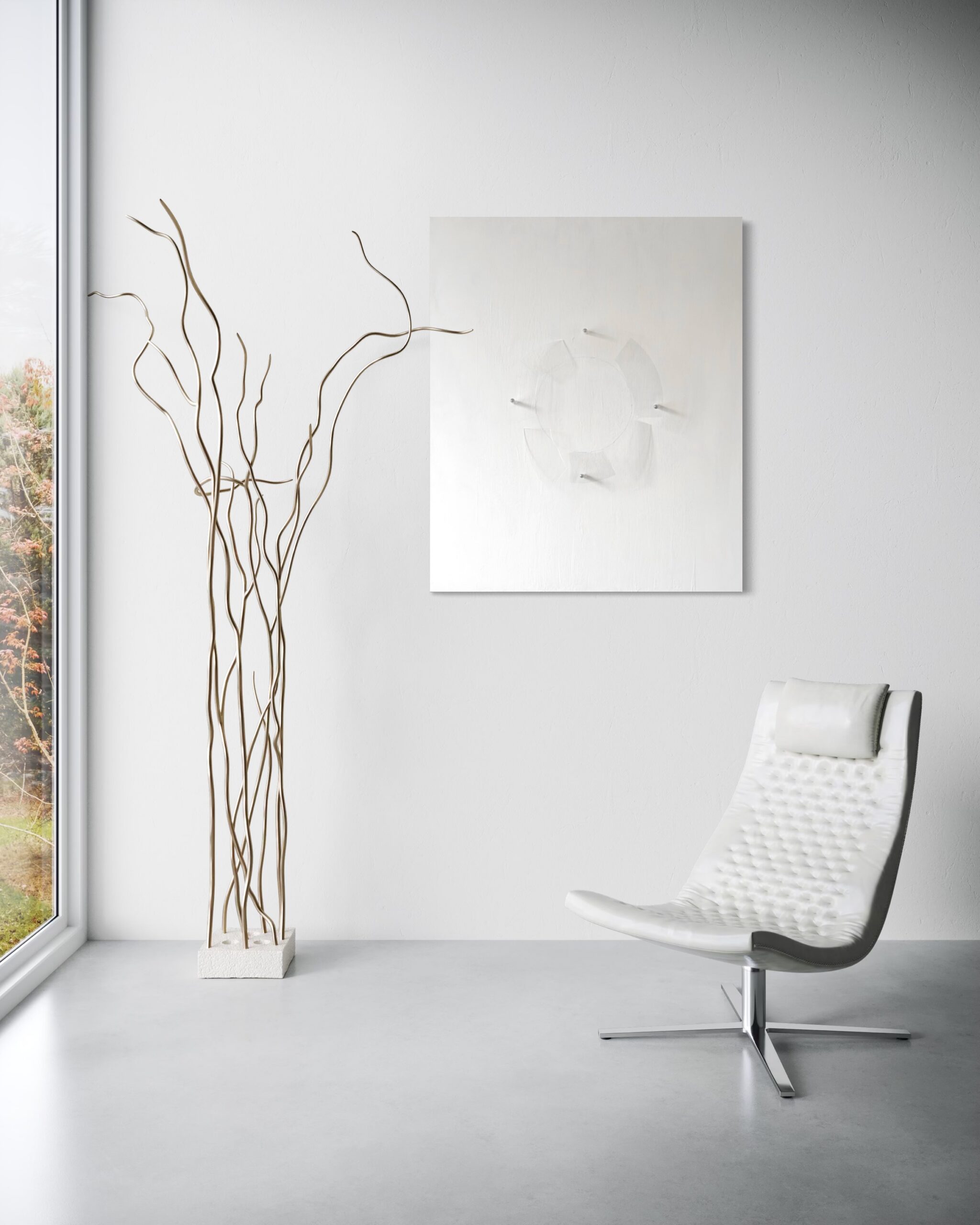
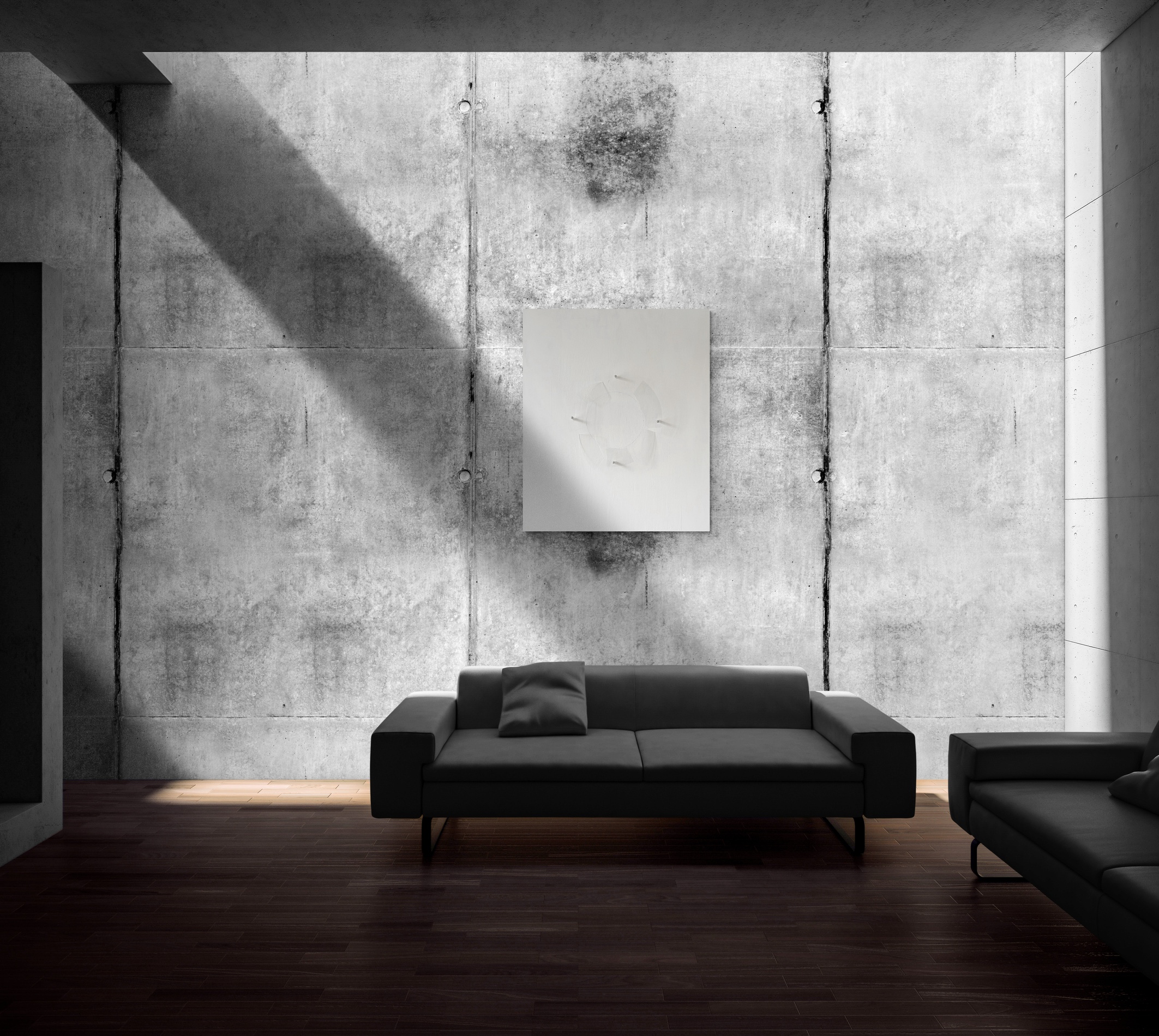
IN SPACE
THE SOLUTION
More details ›
For collectors with attitude.
Private access to the K-NY collector area upon request.
→ Collector Access
MOVE I
Continue ›
MOVE III
Continue ›

CASE 01
Back to CASE ›
UNIVERSE II
Explore the other CASES within Architecture of Thought™.
UNIVERSE II ›

THE ARCHITECTURE
The Architecture of Thought.
Discover how autonomous MOVES form relationships within a CASE, and how perception, memory, configuration and reconfiguration keep thought in motion. →
THE VAULT
Beyond the public collection lies a more discreet layer of the K-NY system, where visibility is deliberately curated. Private Releases and the Vaulted Collection form this reserved dimension of Universe II. Access and availability are shared through personal dialogue. →
DOUBLE REALITY™
Light. Time. Presence.
Light becomes material. Time becomes an active component of perception. Each artwork exists in multiple states, revealed through changing conditions. What emerges is presence. →
A STATEMENT ON AUTHENTICITY AND ARTISTIC AUTHORITY
K-NY defines authenticity through intention, authorship and structure. Every work carries the trace of its origin and occupies a precise position within a defined artistic system. Authority is not imposed. It is composed through consistency, responsibility and artistic control. Each work remains connected to its origin, its logic and its place within the architecture.
K-NY POSITION: CERTIFICATES & CONTROL
K-NY operates through structure. Each work exists within a defined system of authenticity, responsibility and curatorial control. Its Certificate of Authenticity is individually numbered, linked to the official K-NY code and registered within the internal archive, ensuring that the origin of every work remains traceable independent of ownership or location. Only registered works are recognized as authentic originals. K-NY retains the rights for archiving, reproduction and exhibition of all works, while sales, loans and resales are documented rather than controlled. K-NY does not produce. It releases. Every work remains part of that architecture.
AUTHENTICITY & ARCHIVING — Universe II
Each MOVE is an autonomous work within a defined CASE. Every artwork is personally signed, numbered and assigned an official K-NY code by Kiéra Nagy (K-NY). Its position within the CASE is documented as part of its artistic structure. Identification appears handwritten on the reverse of the canvas and is complemented by a signed curatorial label, also placed on the reverse. All works are registered within the K-NY Archive and accompanied by a Certificate of Authenticity. No reproductions or editions exist.
NIGHT COLORS. ILLUMINATION IN THE DARK.
K-NY does not disappear at night. It transforms. Photoluminescent elements charged through daylight, artificial light or blacklight activate another state of the work as darkness emerges. What appeared controlled and silent by day can become luminous, unstable or psychologically charged at night. The work no longer exists as a fixed image, but operates through transformation, memory and perception. Light is not used as an effect. It functions as structure, activation and language. The night does not repeat the artwork. It reveals another state of it.
Copyright
© Kiéra Nagy / K-NY Art Label
All rights reserved.
All artworks and contents on this website — including images, texts, and layouts — are protected by copyright. Any reproduction, distribution, or modification without prior written consent of the artist is prohibited.
DIRECT DIALOGUE
For everyone who feels drawn to art. For art lovers, collectors, galleries, art advisors, curators and institutions.
We welcome personal dialogue.
STUDIO (Europe)
ADDRESS
K-NY Studio - Office
Kiéra Nagy
Koendgenstr. 3
45131 Essen, Germany
OPEN HOURS
Studio visits by appointment only.
INFORMATION
Prices exclude VAT, shipping, and insurance.
Original artworks by Kiéra Nagy (K-NY) are subject to the reduced VAT rate of 7 % under German tax law (§ 12 Abs. 2 Nr. 1 UStG and Annex 2).
For exports outside the EU, VAT does not apply.
© Kiéra Nagy / K-NY Art Label –
All rights reserved.
FOLLOW
K-NY works are released in closed systems and placed in private and institutional collections.